
Sacred Sanctuaries: Discover Hong Kong’s Top 10 Chinese Temples
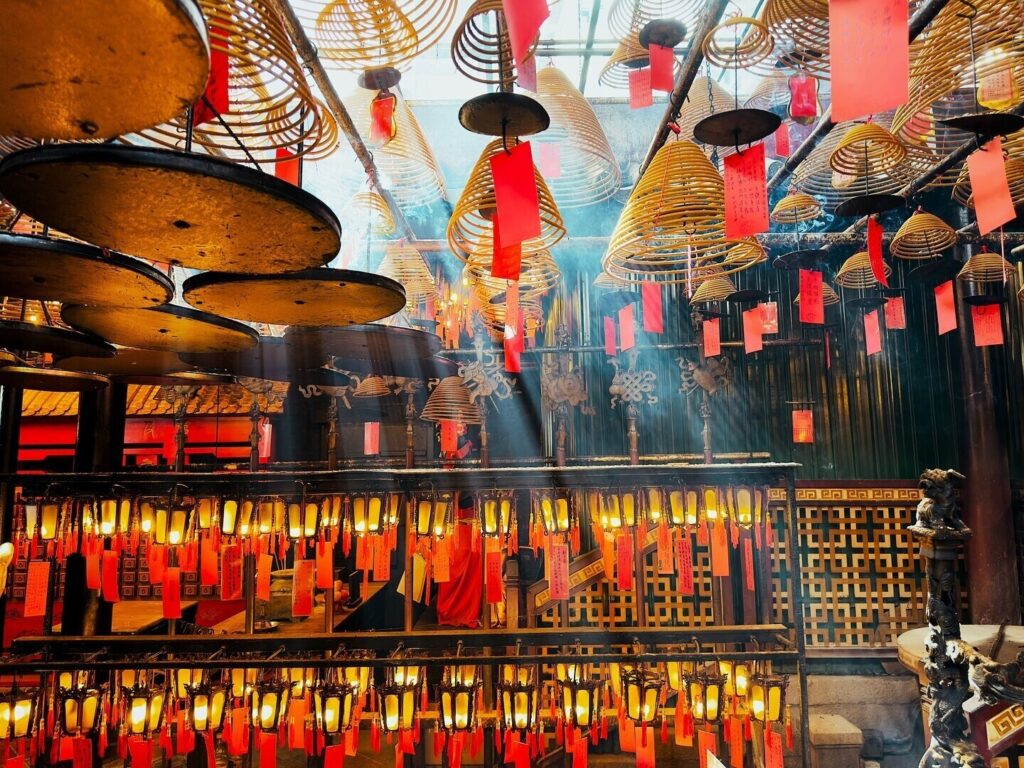
Hong Kong: a dazzling metropolis famed for its futuristic skyline, culinary delights, and vibrant shopping scenes. But beyond the neon glow and urban hustle lies a deeply spiritual heart, pulsating within the ancient walls and fragrant courtyards of its many Chinese temples. These sacred spaces offer more than just a glimpse into traditional Chinese beliefs; they are living heritage sites, community hubs, and serene oases where history, art, and devotion intertwine.
For any traveller seeking to understand the soul of Hong Kong, a visit to its temples is an absolute must. These are places where the air thrums with whispered prayers, the scent of sandalwood incense hangs heavy, and every intricate carving tells a story. Whether you’re a history buff, an architecture enthusiast, or simply looking for a moment of peace, Hong Kong’s temples provide a profound and enriching experience. Join us as we unveil the top 10 Chinese temples that promise to leave an indelible mark on your Hong Kong journey.
1. Wong Tai Sin Temple (嗇色園黃大仙祠) – Where Wishes Take Flight
Perhaps the most famous temple in Hong Kong, Wong Tai Sin Temple is a vibrant tapestry of colours, sounds, and fervent devotion. Dedicated to the Taoist deity Wong Tai Sin, a shepherd boy who attained immortality and became renowned for his healing powers, this temple is legendary for its claim: “What you request is what you get” (有求必應).
A Rich Heritage: Originally a private shrine, the temple was moved to its current Kowloon location in 1921. It’s a sprawling complex that beautifully integrates Taoist, Buddhist, and Confucian elements, reflecting a harmonious blend of traditional Chinese beliefs.
Architectural Splendor & Unique Features: The temple is a dazzling example of traditional Chinese palatial architecture. Expect grand red pillars, golden roofs adorned with intricate dragon and phoenix carvings, vibrant murals, and serene gardens like the Good Wish Garden, a classical Chinese landscape. One of its most distinctive features is the practice of kau cim (求籤), or fortune-telling sticks. Devotees shake a bamboo cylinder filled with numbered sticks until one falls out. This number corresponds to a printed oracle slip, which is then interpreted by a soothsayer in one of the many booths lining the temple grounds.
Cultural Significance & Rituals: Wong Tai Sin Temple is a hive of activity year-round, especially during major festivals like Chinese New Year, when thousands flock to offer incense and pray for good fortune. The atmosphere is electric, filled with the clatter of fortune sticks, the murmur of prayers, and the aroma of incense.
Visitor’s Experience: Expect a bustling, lively atmosphere. It’s a place where deep spirituality meets everyday life. Even if you don’t partake in fortune-telling, observing the rituals and soaking in the vibrant energy is an experience in itself.
Why Visit: To witness a truly active and iconic Hong Kong religious site, experience the unique tradition of kau cim, and perhaps have a wish or two granted!
2. Man Mo Temple, Sheung Wan (文武廟) – A Scholarly Sanctuary
Nestled amidst the antique shops and art galleries of Hollywood Road in Sheung Wan, Man Mo Temple is one of Hong Kong’s oldest and most revered temples. Dedicated to Man Cheong (God of Literature) and Mo Tai (Kwan Yu, God of War), it has long been a spiritual haven for scholars, students, and those seeking wisdom and justice.
Historical Roots: Built between 1847 and 1862 by wealthy Chinese merchants, the temple served not only as a place of worship but also as a community court and meeting place for the local Chinese population during the colonial era.
Architectural Marvels & Unique Features: Step inside, and you’re immediately transported to another era. The temple’s dark, atmospheric interior is dominated by giant, bell-shaped incense coils hanging from the rafters, their fragrant smoke spiralling upwards, carrying prayers to the heavens. These coils, which can burn for weeks, are often purchased by devotees seeking blessings. Intricate wood carvings, ceramic figurines on the roof ridges depicting traditional Chinese myths, and ancient ceremonial sedan chairs add to its historical charm.
Cultural Significance & Rituals: Students often visit to pray for academic success, while others come to seek guidance from the deities on important life decisions. The temple’s role as a historical community centre underscores its importance in the development of the Chinese community in Hong Kong.
Visitor’s Experience: The air is thick with incense, creating a mystical and contemplative atmosphere. It’s a relatively small temple, but every corner is packed with detail and history. The dim lighting and swirling smoke make for a highly photogenic and memorable visit.
Why Visit: To step back in time, admire the stunning hanging incense coils, and experience a tranquil sanctuary in the heart of a bustling district.
3. Po Lin Monastery (寶蓮禪寺) & The Big Buddha – Majestic Serenity on Lantau Island
While the Tian Tan Buddha (Big Buddha) statue is an iconic landmark, the adjacent Po Lin Monastery is a significant Buddhist sanctuary in its own right and the spiritual heart of this popular Lantau Island attraction.
A Century of Devotion: Founded in 1906 by three monks from mainland China, Po Lin Monastery has grown from a small thatched hut into a grand complex of prayer halls, shrines, and gardens. It’s one of Hong Kong’s most important Buddhist institutions.
Architectural Marvels & Unique Features: The monastery features several impressive structures, including the Main Shrine Hall of Buddha, the Hall of Bodhisattva Skanda, and the newly built Grand Hall of Ten Thousand Buddhas, which is a stunning example of traditional Chinese palatial architecture with intricate carvings and golden Buddha statues. The entire complex is designed to create a sense of peace and grandeur. Of course, the majestic 34-metre-high bronze Big Buddha statue, seated atop a lotus throne facing north towards mainland China, is an unmissable sight, symbolizing the harmonious relationship between man and nature, people and faith.
Cultural Significance & Rituals: Po Lin is an active monastery where monks reside and practice. It’s a major centre for Buddhist teachings and ceremonies. Visitors can observe prayer sessions and enjoy a vegetarian meal at the monastery’s popular restaurant, a tradition for many who make the pilgrimage here.
Visitor’s Experience: The journey to Po Lin, often via the Ngong Ping 360 cable car, offers breathtaking views. The atmosphere at the monastery is generally serene, though the area around the Big Buddha can be busy. The scale of the Big Buddha and the ornate details of the monastery halls inspire awe.
Why Visit: To witness a major Buddhist centre, marvel at the colossal Big Buddha, and enjoy the tranquil mountain setting.
4. Chi Lin Nunnery (志蓮淨苑) & Nan Lian Garden – Tang Dynasty Elegance
In stark contrast to the bustling city, Chi Lin Nunnery in Diamond Hill offers a haven of tranquility and exquisite architectural beauty. This large Buddhist complex, originally founded in the 1930s, was rebuilt in the 1990s entirely in the architectural style of the Tang Dynasty (618-907 AD).
Architectural Masterpiece: What makes Chi Lin Nunnery truly unique is its construction. It’s built using traditional Chinese architectural techniques, with interlocking pieces of cypress wood and without the use of a single nail. The elegant, sweeping roofs, serene lotus ponds, and meticulously crafted wooden structures create an atmosphere of profound peace. The complex includes multiple temple halls, each housing golden statues of Buddhas and Bodhisattvas.
Nan Lian Garden: Adjacent to the nunnery is the stunning Nan Lian Garden, a public park also designed in the Tang Dynasty style. This meticulously landscaped garden features water features, classical timber structures, old trees, and ornamental rocks, all arranged according to specific rules of Chinese garden design. It perfectly complements the serenity of the nunnery.
Cultural Significance & Rituals: Chi Lin Nunnery is an active place of worship and learning for Buddhist nuns. It promotes Buddhist teachings and Chinese cultural heritage.
Visitor’s Experience: Visiting Chi Lin Nunnery and Nan Lian Garden feels like stepping into a classical Chinese painting. The atmosphere is incredibly peaceful and restorative. Photography rules are often strict inside the prayer halls to maintain reverence, encouraging visitors to simply soak in the beauty and tranquility.
Why Visit: To admire the world’s largest handmade wooden building complex built in the Tang Dynasty style, experience unparalleled serenity, and explore the beautiful Nan Lian Garden.
5. Ten Thousand Buddhas Monastery (萬佛寺) – A Golden Ascent
Prepare for a climb, and a truly unforgettable sight! The Ten Thousand Buddhas Monastery (Man Fat Tsz), located in Sha Tin, isn’t just one temple but a sprawling complex that lives up to its name, though it actually boasts nearly 13,000 Buddha statues.
A Labour of Love: Founded in the 1950s by the Reverend Yuet Kai, the monastery and its countless statues were largely a result of his dedication and the efforts of his followers.
Unique Features: The journey to the main temple complex is an experience in itself. The path is lined with hundreds of life-sized, gold-painted Arhat statues (Buddhist saints who have achieved enlightenment), each with a unique expression and pose. It’s a fascinating and somewhat surreal procession. The main temple hall houses thousands more miniature Buddha statues lining its walls. The complex also features a nine-storey pagoda, pavilions, and the preserved body of the monastery’s founder, encased in gold leaf.
Cultural Significance: While not an active monastery with resident monks in the traditional sense, it remains a popular place of worship and a testament to Buddhist devotion and artistry.
Visitor’s Experience: The climb up over 400 steps can be challenging, especially in Hong Kong’s humidity, but the reward is well worth it. The sheer number and variety of Buddha statues are astounding. The atmosphere is quirky, fascinating, and offers great views over Sha Tin.
Why Visit: For a truly unique and slightly eccentric temple experience, to marvel at the thousands of golden Buddha statues, and to enjoy a rewarding hike.
6. Tin Hau Temple, Joss House Bay (佛堂門天后古廟) – Guardian of the Seas
Tin Hau, the Goddess of the Sea, is one of Hong Kong’s most beloved deities, especially given the city’s maritime heritage. While there are over 70 Tin Hau temples scattered across Hong Kong, the one at Joss House Bay (Tai Miu Wan) in Sai Kung is considered the oldest and largest, dating back to 1266 AD.
Ancient Roots: Its long history makes it a significant cultural landmark. Legend says that the temple was built by two brothers who were saved from a storm by Tin Hau.
Architectural Highlights & Unique Features: The temple boasts a magnificent stone inscription from the Song Dynasty (1274 AD), a testament to its age. Its location by the sea is fitting for a temple dedicated to the sea goddess. The architecture is traditional South Chinese, with intricate roof carvings and colourful ceramic figurines (Shek Wan friezes).
Cultural Significance & Rituals: The Tin Hau Festival, celebrated on the 23rd day of the third lunar month, is a major event here. Thousands of worshippers, many arriving by boat (junks and sampans), flock to the temple to pay homage and pray for safety and good fortune at sea. The vibrant boat parades and festive atmosphere are a sight to behold.
Visitor’s Experience: Reaching the temple, often by kaito (small ferry) or a hike, adds to the sense of pilgrimage. The temple’s seaside location offers a refreshing and scenic setting. It feels less urban and more connected to Hong Kong’s fishing village past.
Why Visit: To visit Hong Kong’s oldest Tin Hau temple, experience its deep maritime heritage, and witness spectacular celebrations during the Tin Hau Festival.
7. Che Kung Temple, Sha Tin (沙田車公廟) – Spin the Wheel of Fortune
Famous for its bronze pinwheels that devotees spin for good luck, the Che Kung Temple in Sha Tin is dedicated to Che Kung, a Song Dynasty general revered for his power to suppress plagues and uprisings.
Historical Significance: The original temple in Ho Chung (Sai Kung) has a longer history, but the Sha Tin temple, first built in the 17th century and then reconstructed in 1994 into a much grander complex, attracts huge crowds, especially during the Che Kung Festival (the second day of Chinese New Year).
Architectural Marvels & Unique Features: The current temple is an impressive structure with a towering main hall housing a giant statue of Che Kung. Flanking the statue are large copper pinwheels. Devotees believe that spinning these pinwheels three times will bring good fortune and ward off bad luck. Another notable feature is the drum, which worshippers beat to announce their arrival to the deity. The temple’s design incorporates elements of traditional Chinese architecture with modern scale.
Cultural Significance & Rituals: The act of spinning the pinwheel is central to the Che Kung Temple experience. Many people visit at the beginning of the Lunar New Year to seek blessings for the year ahead. The temple is also known for its fortune-telling services.
Visitor’s Experience: The temple is often bustling, especially during festival times. The sound of the drum and the sight of people enthusiastically spinning the pinwheels create a lively and hopeful atmosphere. The newer complex is spacious and well-maintained.
Why Visit: To participate in the unique ritual of spinning the pinwheel for good luck, witness fervent worship, and admire the grand temple architecture.
8. Lam Tsuen Wishing Trees & Tin Hau Temple (林村許願樹及天后廟) – Where Hopes Take Root
Located in the New Territories, Lam Tsuen is home to a charming Tin Hau Temple and, more famously, its legendary Wishing Trees. This site offers a unique blend of traditional worship and folk custom.
Ancient Traditions: The practice of making wishes at the trees dates back generations. Originally, villagers would write their wishes on joss paper, tie them to an orange, and throw them up into the branches of two ancient banyan trees. If the offering successfully lodged in the branches, the wish was believed to come true.
Unique Features & Modern Adaptation: Due to concerns for the old trees’ health, the original practice has been modified. Wishes are now written on joss paper tied to plastic oranges and thrown onto purpose-built wooden racks or replica trees. The original banyan trees are now protected. The nearby Tin Hau Temple, built in 1768, is a beautifully preserved example of a rural Qing Dynasty temple, dedicated to the Goddess of the Sea.
Cultural Significance & Rituals: The Lam Tsuen Wishing Trees are especially popular during Chinese New Year and other festivals, attracting locals and tourists alike. The act of making a wish here is a deeply ingrained cultural tradition. The Tin Hau Temple serves the spiritual needs of the local community.
Visitor’s Experience: Lam Tsuen offers a more rustic and village-like temple experience. The atmosphere is festive and hopeful, particularly around the Wishing Trees. The Tin Hau Temple provides a quieter, more traditional counterpoint.
Why Visit: To participate in the unique Hong Kong tradition of making a wish at the Wishing Trees, explore a historic rural temple, and enjoy a different pace of life in the New Territories.
9. Pak Tai Temple, Wan Chai (灣仔北帝廟) – A Daoist Stronghold in the City
Also known as Yuk Hui Temple, the Pak Tai Temple on Lung On Street in Wan Chai is one of the oldest and most important temples in the bustling Wan Chai district. It’s dedicated to Pak Tai (also known as Yuen Tin Sheung Tai), the Supreme Emperor of the Dark Heaven, a powerful Taoist deity particularly revered for his ability to quell disasters.
Historical Importance: Built in 1863, the temple complex is the largest on Hong Kong Island and holds significant historical value. It was constructed with donations from local residents and merchants.
Architectural Highlights & Unique Features: The temple is a fine example of traditional Chinese temple architecture, rich in intricate details. Its main hall houses a 3-metre-tall copper statue of Pak Tai, dating back to 1604, which was originally housed in a temple in Guangdong before being brought to Hong Kong. Other valuable artifacts include an iron sword from the Song Dynasty and a Qing Dynasty sedan chair. The roof ridges are adorned with colourful Shek Wan ceramic figurines depicting historical and mythological scenes.
Cultural Significance & Rituals: The Pak Tai Temple remains an active centre of worship. The Pak Tai Festival, celebrated on the third day of the third lunar month, is a major event, featuring traditional ceremonies and lion dances.
Visitor’s Experience: Despite being surrounded by modern high-rises, the temple retains a strong sense of history and spiritual gravitas. It’s a peaceful escape from the urban clamour, offering a glimpse into Wan Chai’s past.
Why Visit: To explore one of Hong Kong Island’s largest and oldest temples, admire its valuable historical artifacts, and witness traditional Taoist worship in an urban setting.
10. Yuen Yuen Institute (圓玄學院) – A Triad of Traditions
Located in Tsuen Wan, New Territories, the Yuen Yuen Institute is a unique and expansive complex dedicated to Taoism, Buddhism, and Confucianism, promoting the integration of these three major Chinese philosophies.
A Vision of Unity: Founded in 1950, the Institute aims to spread traditional Chinese ethics and culture. Its name, Yuen Yuen, signifies the “fulfilment of wishes” and the “discovery of truth.”
Architectural Grandeur & Key Features: The Institute is vast, featuring numerous prayer halls, pavilions, gardens, and even a vegetarian restaurant. The main building, the Hall of Great Heroes (Tai Hung Po Din), is modelled after the Temple of Heaven in Beijing, with its magnificent triple-gabled circular roof. Other notable structures include the Hall for Ancestral Worship, the Hall of Three Saints (housing statues of Buddha, Lao Tzu, and Confucius), and beautifully landscaped gardens with bonsai trees and koi ponds.
Cultural Significance & Activities: The Yuen Yuen Institute is an active centre for religious ceremonies, cultural exhibitions, and educational activities. It also provides social services, including care for the elderly. It’s a place where visitors can learn about the core tenets of all three philosophies.
Visitor’s Experience: The sheer scale and architectural diversity of the Yuen Yuen Institute are impressive. It offers a serene and educational experience, allowing visitors to explore different facets of Chinese spirituality and culture in one location. The atmosphere is generally peaceful and contemplative.
Why Visit: To experience a unique temple complex that harmoniously blends Taoism, Buddhism, and Confucianism, admire its impressive architecture, and enjoy its tranquil gardens.
Embark on a Spiritual Journey
Hong Kong’s temples are more than just tourist attractions; they are the vibrant, beating heart of its cultural and spiritual identity. Each temple, with its unique history, architecture, and traditions, offers a different window into the soul of this fascinating city. So, on your next trip to Hong Kong, step away from the usual trails, light an incense stick, and immerse yourself in the timeless serenity of these sacred sanctuaries. You’ll discover a side of Hong Kong that is deeply moving, historically rich, and utterly unforgettable.
Remember to always be respectful when visiting these active places of worship: dress modestly, keep your voice low, and ask for permission before taking photos, especially of individuals or inside prayer halls. Enjoy your spiritual exploration of Hong Kong!
